

Table of Contents
- Why Marine Vinyl Flooring Bubbles in Heat
- Marine Vinyl Flooring Installation Best Practices
- How to Repair Air Bubbles in Vinyl Boat Deck
- Frequently Asked Questions
Last Updated: October 4, 2026
Why Marine Vinyl Flooring Bubbles in Heat
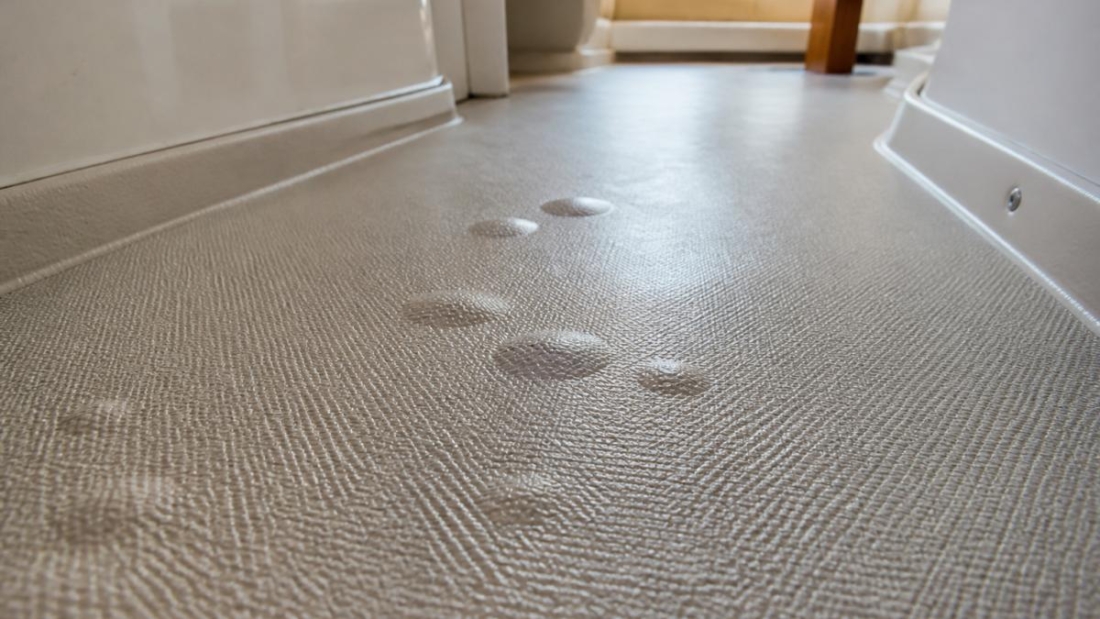
Marine vinyl flooring bubbles in heat due to thermal expansion, adhesive failure, and subfloor moisture. Understanding these causes helps you prevent damage and extend flooring life on boats and RVs.
Heat causes vinyl to expand; uneven or damp subfloors allow the vinyl to lift and form air pockets, while adhesive breaks down under extreme temperatures and UV exposure.
Thermal expansion is the primary culprit when installers don’t account for vinyl’s predictable movement during application.
Adhesive failure occurs when temperatures exceed 95°F on unprimed subfloors, with moisture migration accelerating the problem.
Subfloor preparation is critical: vapor barriers and proper curing time prevent heat-driven moisture from lifting the flooring in marine applications.
While manual smoothing can temporarily resolve these surface imperfections, understanding the underlying mechanics of heat-related material failure remains essential for preventing similar structural compromises in other high-temperature applications.
Marine Vinyl Flooring Installation Best Practices
Proper installation prevents 90% of bubbling problems: sand the deck, verify moisture levels below 4%, and allow complete subfloor curing before applying vinyl.
Apply marine-grade adhesive rated for your climate zone only when ambient conditions are between 60°F and 85°F for proper curing.
Prime the subfloor with moisture-blocking primer, acclimate vinyl planks for 48 hours, apply adhesive with a notched trowel, press with a 100-pound roller, and seal seams after 72 hours with marine-grade sealant.
Install during cooler parts of the day and cover the boat for 48 hours after installation to prevent heat from trapping air underneath.
Leave 1/8-inch gaps between planks to allow thermal expansion; tight seams will buckle or bubble.
How to Repair Air Bubbles in Vinyl Boat Deck
Small bubbles under 2 inches can be repaired; larger bubbles require full plank replacement.
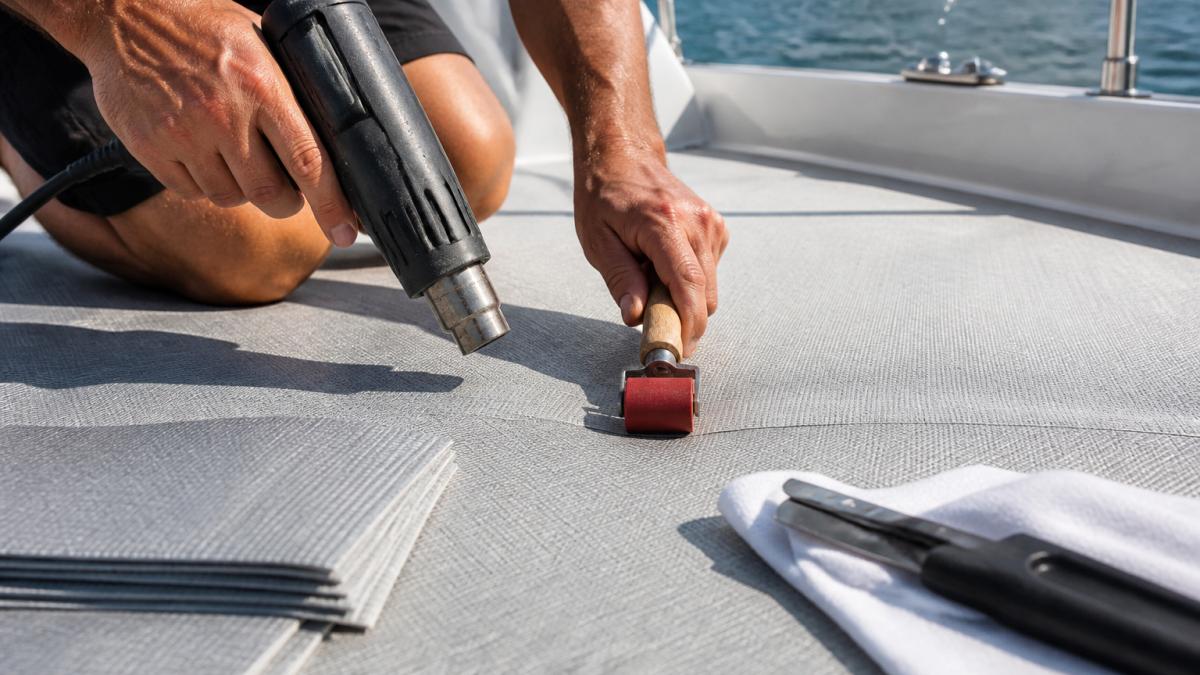
Heat the bubble with a heat gun for 2-3 minutes, press firmly with a roller, inject marine-grade adhesive if needed, and weight the area for 24 hours.
For moisture blisters, drill a hole to release moisture, dry with a heat gun, inject adhesive, and seal with vinyl repair compound.
Prevent future bubbles by ensuring proper ventilation and installing a vapor barrier during replacement work.
Marine vinyl flooring bubbles when installers overlook thermal expansion, moisture control, and adhesive selection. The solution is preventive: proper substrate prep, temperature-appropriate installation, and high-quality marine-grade adhesive. When bubbles do appear, quick repair prevents further damage. North River Limited’s SupremeVinyl collection is engineered to resist thermal cycling and maintain seam integrity in demanding marine and RV conditions. Contact us for guidance on material selection and installation best practices tailored to your specific marine or RV application.
Frequently Asked Questions
Does heat cause marine vinyl flooring to expand and bubble?
Yes. Marine vinyl flooring experiences thermal expansion when exposed to heat and temperature fluctuations. As temperatures rise, the vinyl expands; as they cool, it contracts. This constant thermal cycling stresses the bond between the vinyl and substrate. If adhesive quality is poor or installation temperature was incorrect, the material separates from the subfloor, creating visible bubbles and blisters that worsen over time in marine environments.
What’s the best adhesive for marine vinyl flooring to prevent bubbling?
Select marine-grade adhesives specifically formulated for flexible flooring and high-moisture environments. These adhesives offer superior bond strength and flexibility to accommodate thermal expansion without delamination. During installation, ensure the subfloor is properly prepared, clean, and dry. Apply adhesive at the temperature recommended by the manufacturer, typically between 65-75°F, to ensure proper curing. Poor adhesive selection or application in incorrect temperature conditions is a leading cause of adhesive failure and subsequent bubbling.
How do I prevent marine vinyl from lifting in the sun?
Prevent lifting by controlling installation temperature, using proper substrate preparation, and selecting UV-resistant vinyl formulations. Ensure your subfloor has a vapor barrier to block moisture migration from below. Maintain humidity levels between 30-50% in the vessel or RV. During installation, allow adequate curing time before exposure to direct sunlight or extreme heat. Professional-grade marine vinyl flooring engineered for UV exposure and thermal cycling provides better dimensional stability and resistance to heat-induced lifting than standard vinyl products.