

Table of Contents
- Material Specifications and Construction
- Best Boat Flooring for High Traffic Areas
- Marine Carpet vs Vinyl Flooring: Which Holds Up Longer
- Frequently Asked Questions
Last Updated: October 13, 2026
Material Specifications and Construction
Material composition determines durability, maintenance burden, comfort, and long-term cost. A marine flooring comparison between woven vinyl and marine carpet shapes how your boat interior performs over years of use.
Woven vinyl flooring bonds a polyester or polypropylene base layer to a vinyl top surface, creating a waterproof barrier that resists moisture at seams and joints. Marine carpet’s backing sits directly against your subfloor, leaving it vulnerable to water damage.
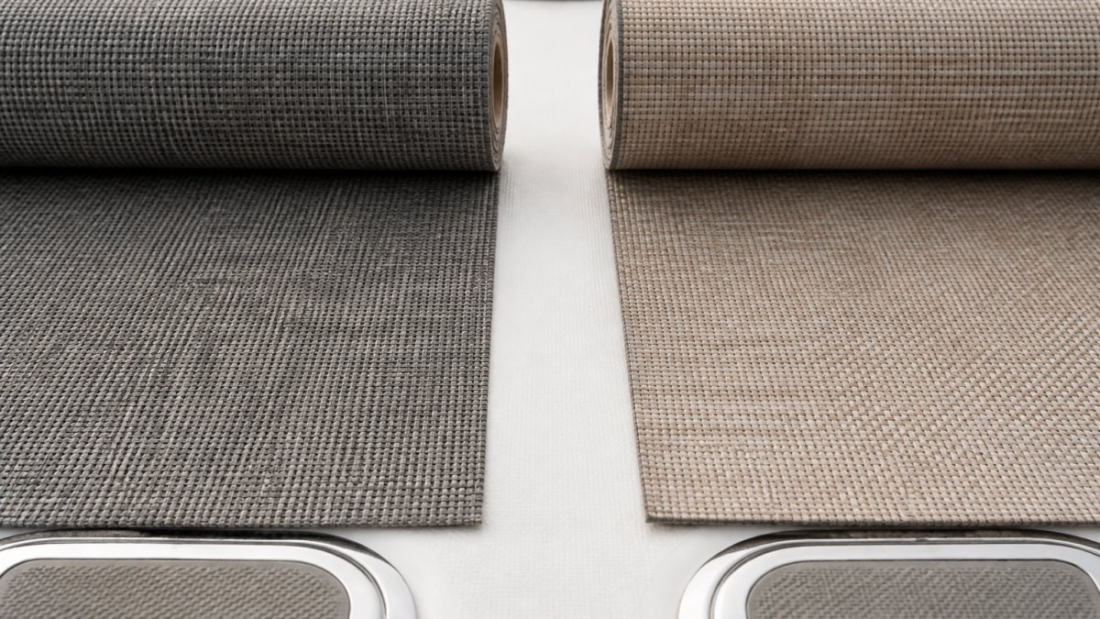
North River Limited specializes in woven vinyl flooring engineered for marine environments. Our diverse collections, including Seagrass and SupremeVinyl, are engineered to meet the rigorous demands of marine and RV environments while providing exceptional aesthetic appeal, giving manufacturers direct access to materials for pontoon decks, yacht interiors, and RV living spaces.
Best Boat Flooring for High Traffic Areas
High-traffic zones demand flooring that resists compression, maintains traction, and withstands constant foot traffic. In galleys, helm stations, and walkways, the wrong material creates maintenance nightmares within months.
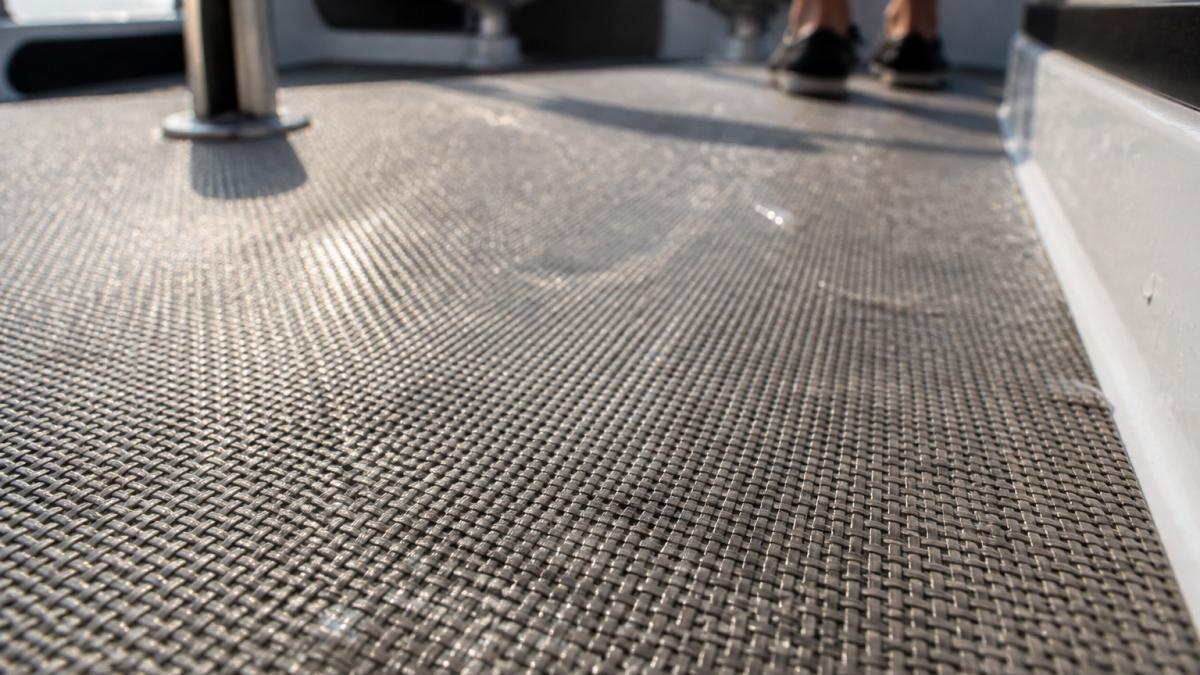
While woven vinyl excels under heavy foot traffic, those seeking a more rigid foundation for their outdoor living spaces should weigh the long-term durability of various composite deck options.
Woven vinyl resists permanent indentation, while carpet fibers compress under repeated weight and never fully recover, creating visible traffic patterns. Vinyl maintains surface integrity after thousands of footfalls, and its slip-resistant texture provides reliable traction whether the deck is wet or dry.
Marine carpet offers comfort and sound dampening but sacrifices durability. Once traffic compresses the pile, cleaning cannot restore appearance, and water trapped beneath the backing accelerates mold and mildew growth.
For pontoon and yacht manufacturers, vinyl in high-traffic areas reduces warranty claims and complaints. It forgives spills, resists staining, and maintains aesthetic appeal for years.
Marine Carpet vs Vinyl Flooring: Which Holds Up Longer
Marine carpet typically lasts 5-7 years in moderate-use recreational boats, compressing to 2-4 years in high-traffic commercial or rental vessels.
Woven vinyl flooring extends usable life to 10-15 years or longer depending on installation and maintenance. It does not degrade from UV exposure, moisture, or foot traffic the way carpet backing does, and its non-porous surface prevents water absorption that weakens adhesives and causes substrate rot.
The durability difference becomes financial at replacement time: removing and reinstalling boat flooring requires labor, substrate preparation, and downtime. Vinyl’s extended lifespan means fewer replacement cycles and lower total cost of ownership.
Maintenance also favors vinyl. Carpet requires vacuuming, spot cleaning, and professional deep cleaning to manage moisture and odor; vinyl needs only routine sweeping and occasional damp mopping.
When evaluating marine flooring comparison options, longevity should outweigh upfront cost: today’s choice determines your maintenance burden and replacement timeline for the next decade.
Frequently Asked Questions
What are the main differences between Summit Marine Flooring and Captain’s Choice Marine?
Both manufacturers produce marine vinyl flooring designed for durability in saltwater environments. The key differences lie in material construction, customization flexibility, installation support, and warranty terms. Direct comparison of specifications, lead times for custom orders, and installed costs will vary based on your order volume and specific project requirements. Contact suppliers for detailed quotes and technical documentation.
Which marine flooring holds up best in high-traffic areas?
Woven vinyl flooring outperforms marine carpet in high-traffic boat environments due to superior wear resistance and moisture protection. Woven vinyl resists staining, punctures, and UV degradation better than carpet fibers. In pontoon and deck applications, marine vinyl maintains structural integrity under heavy foot traffic and repeated cleaning. Durability depends on material thickness, backing quality, and adhesive performance; verify wear ratings and abrasion resistance specifications for your specific application.
How do you maintain marine flooring to extend its lifespan?
Woven vinyl flooring requires regular rinsing with fresh water to remove salt residue and debris. Use mild soap and soft brushes for cleaning; avoid harsh chemicals that degrade vinyl. Inspect seams and adhesive bonds quarterly for separation or moisture intrusion. Address water damage immediately to prevent substrate rot. Marine carpet needs more frequent vacuuming and professional cleaning to prevent mold growth in humid conditions. Vinyl typically lasts 10-15 years with proper maintenance, while marine carpet may require replacement every 5-7 years in high-traffic areas.
Choosing the right marine flooring material shapes your boat’s durability, maintenance costs, and resale value. Woven vinyl flooring delivers the waterproof protection, durability, and easy maintenance that marine manufacturers demand. Contact North River Limited to explore our SupremeVinyl and Seagrass collections, engineered specifically for marine and RV applications with the durability and affordability your production timeline requires.