

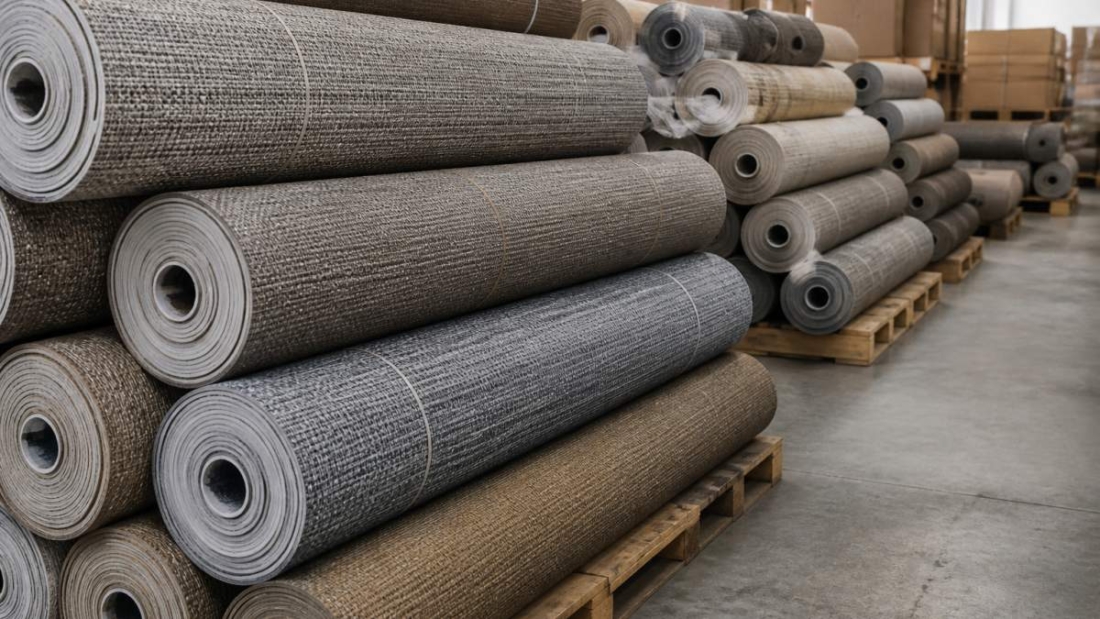
Table of Contents
- What OEMs Need From Wholesale Marine Flooring Suppliers
- Woven Vinyl vs EVA Foam for Boat Manufacturing
- Marine Flooring UV Resistance Standards 2026 and Durability Requirements
- Frequently Asked Questions
Last Updated: September 27, 2026
What OEMs Need From Wholesale Marine Flooring Suppliers
Sourcing wholesale marine flooring for OEMs means finding a partner who understands your production constraints, quality standards, and timeline, one who delivers consistency, eliminates installation surprises, and reduces total cost of ownership.
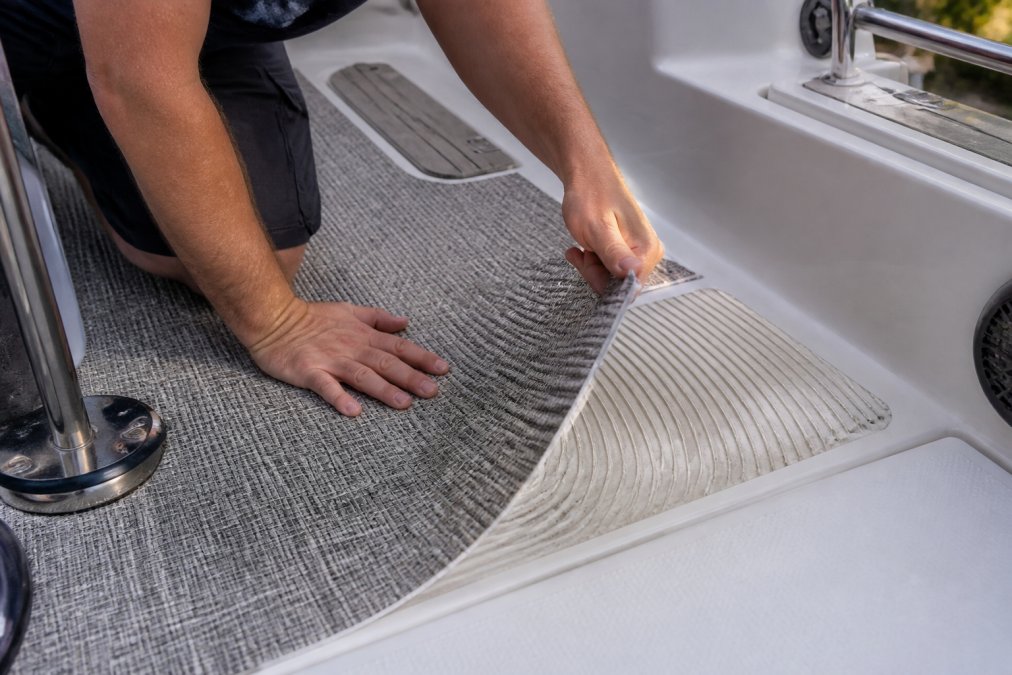
OEMs require customization and OEM/ODM services, technical documentation that integrates with assembly, and reliable bulk ordering that scales with production volume. Switching suppliers costs far more than material savings if the new flooring requires retraining or design modifications mid-production.
North River Limited offers 15 years of expertise in marine flooring with woven vinyl solutions engineered for OEM demands, including Seagrass and SupremeVinyl collections designed for manufacturers.
Woven Vinyl vs EVA Foam for Boat Manufacturing
Woven vinyl delivers marine-grade durability with superior UV resistance and easier OEM customization, while EVA foam offers lightweight insulation but degrades faster in harsh marine environments.
Woven vinyl provides closed-cell construction that prevents water penetration, accepts CNC engraving for custom patterns, bonds reliably with marine-grade adhesives, and maintains non-slip properties across temperature extremes. Integrating these durable flooring solutions often serves as the foundation for broader marine hardware upgrades that enhance both the functionality and the long-term resilience of the vessel.
EVA foam excels in lightweight or thermal insulation applications but degrades faster under UV exposure and doesn’t customize as cleanly for branded patterns. For high-volume marine production with sun exposure, woven vinyl’s total cost of ownership typically wins.
Woven vinyl maintains integrity through salt spray and foot traffic; EVA foam shows wear within 2-3 years, making woven vinyl the safer choice for durability.
Marine Flooring UV Resistance Standards 2026 and Durability Requirements
Marine-grade woven vinyl must resist UV degradation while maintaining non-slip properties and color stability.
Wholesale marine flooring must withstand intense UV radiation, saltwater spray, temperature swings, and foot traffic. Flooring that fails adhesion after one season costs warranty claims and production delays.
Marine-grade adhesive backing is non-negotiable; standard adhesive fails in salt-spray conditions.
Test flooring before production rollout with accelerated UV exposure, saltwater immersion, and thermal stress testing. Ask suppliers for durability documentation; those who can’t provide it signal risk.
When you’re evaluating wholesale marine flooring suppliers, the decision comes down to whether a vendor understands OEM manufacturing or simply sells retail products in bulk. North River Limited specializes in the former, we’ve engineered our woven vinyl collections specifically for boat and RV manufacturers who need customization, reliability, and technical support. Our SupremeVinyl and Seagrass lines deliver marine-grade durability with the adhesive backing and pattern customization that production teams require. Contact Us today to discuss your wholesale flooring needs and how our OEM solutions can reduce your production risk.
Frequently Asked Questions
What are the UV resistance standards for marine flooring in 2026?
Marine flooring must meet ASTM G154 standards for UV exposure testing. Most wholesale marine flooring suppliers now offer products rated for 500+ hours of accelerated UV exposure without significant color fade or structural degradation. Marine-grade materials engineered for open-water and high-sun environments should demonstrate resistance to both UV radiation and salt spray. OEMs should request third-party testing documentation and warranty details covering UV performance over the expected vessel lifespan.
How do bulk marine flooring procurement best practices differ from standard ordering?
Bulk procurement requires establishing volume commitments, negotiating lead times, and securing supply consistency across production runs. Best practices include: requesting samples before full orders, confirming adhesive backing specifications for your installation process, verifying moisture resistance for your specific boat type, and establishing quality acceptance criteria. Work with suppliers who provide technical support and documentation for your assembly team.
What’s the difference between woven vinyl and EVA foam for boat manufacturing?
Woven vinyl offers superior durability, waterproof properties, and easier cleaning for high-traffic marine environments. EVA foam provides better thermal insulation and cushioning but absorbs moisture over time, requiring more maintenance. For OEM manufacturing, woven vinyl typically outperforms EVA foam in salt-spray environments and UV exposure. Woven vinyl also supports custom CNC engraving and pattern design without compromising structural integrity. Choose based on your vessel type, expected foot traffic, climate exposure, and installation method requirements.